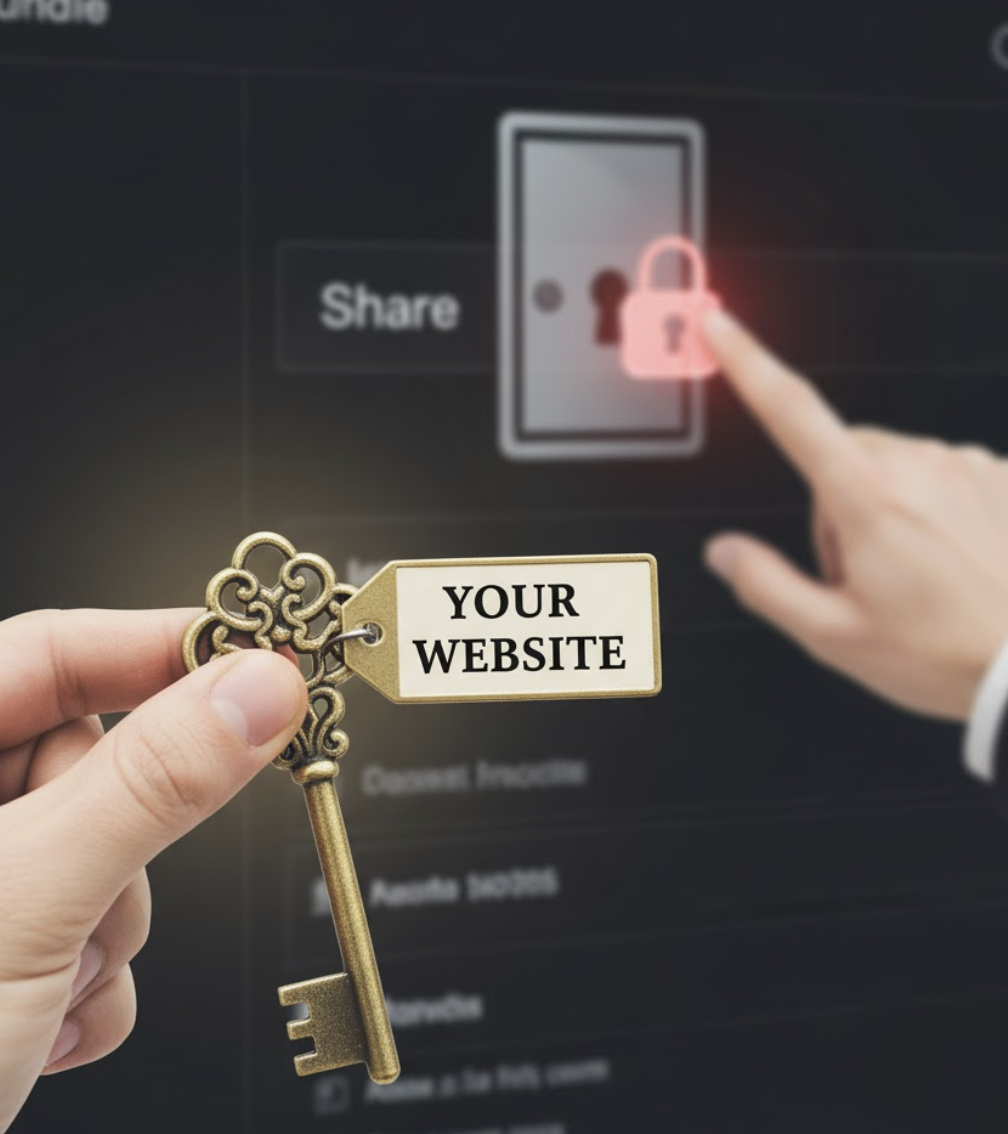
The Modern Dilemma: Website vs Social Media Page
If you’re a small business owner, you’ve probably wondered: Do I really need a website? After all, setting up a Facebook or Instagram page is fast, free, and gives you access to your audience instantly.
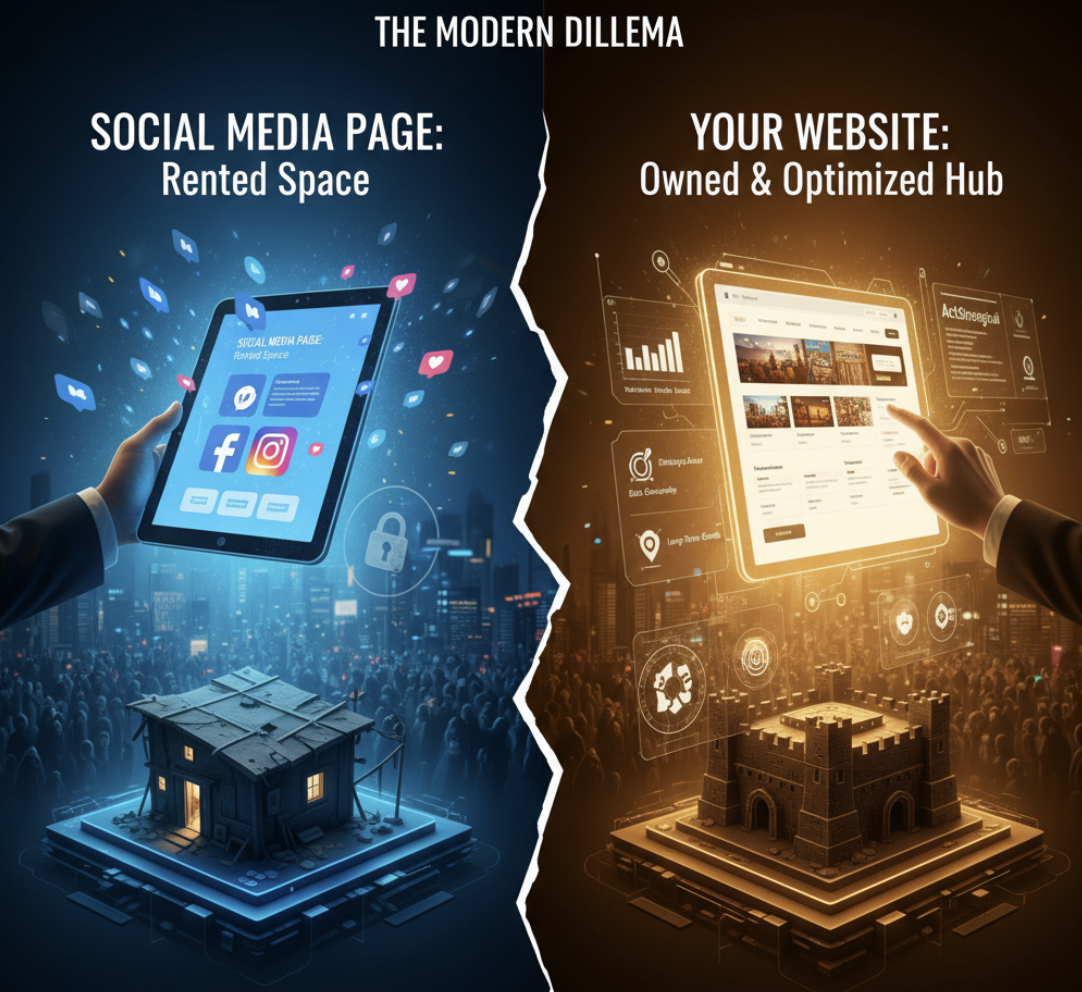
But here’s the hard truth — while social media pages are great for visibility, they’re rented space. A website, on the other hand, is your digital headquarters — one you own, control, and can strategically optimize to drive sales.
Let’s unpack the differences — and why relying solely on social media might quietly limit your growth.
Why Businesses Rely on Social Media (and Why That’s Okay — to a Point)
There’s no denying that social media platforms like Facebook, Instagram, and TikTok are powerful for brand discovery and community building. They offer:
- Instant setup: You can create a business page in minutes.
- Built-in audience: Billions of users already scroll daily.
- Direct engagement: Likes, comments, and DMs build community.
But here’s the catch: you don’t own the platform or the audience. Algorithm changes, policy shifts, or account bans can cripple your visibility overnight.
In short — if social media is your only online presence, your business is standing on rented land.
The Case for Having Your Own Website
A website isn’t just a digital brochure — it’s the core of your marketing and sales ecosystem. Here’s why it matters:
1. You Own It — and Control It
Your website is your digital property. No one can limit your reach, delete your content, or change how your audience sees you. This gives you freedom to:
- Customize your message and design.
- Optimize for search engines (SEO).
- Build funnels that convert leads to customers.
2. It Builds Credibility and Trust
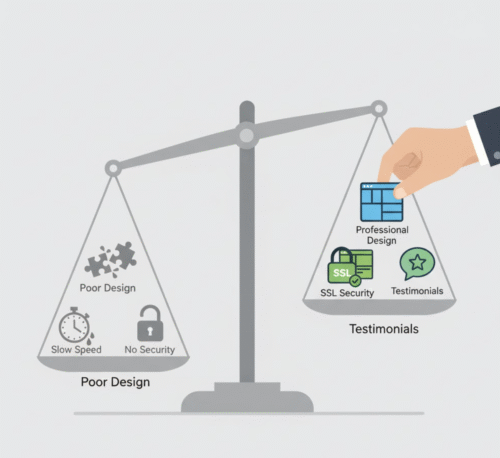
Consumers expect real businesses to have real websites. A professional website signals legitimacy — especially if you want to attract clients, investors, or media attention.
75% of consumers judge a company’s credibility based on its website design (Stanford Web Credibility Project).
3. It Works 24/7 for You
While social media relies on algorithms to surface posts, your website can bring traffic 24/7 through search, blog content, and email signups.
4. It Supports Deeper Analytics and Strategy
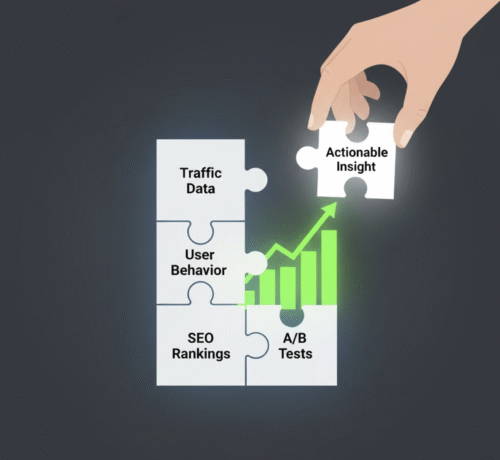
Your website lets you track user behavior — where visitors come from, what they click, and why they convert. That data is gold for improving your offers and funnel performance.
5. It’s the Hub That Connects Everything Else
Social media, ads, and email all point back to your site — your home base where conversions actually happen.
Website vs Social Media: Quick Comparison Table
| Feature | Social Media Page | Website |
|---|---|---|
| Ownership | Platform-owned | You own it |
| Visibility | Algorithm-driven | Search + Direct Traffic |
| Customization | Limited templates | Full control |
| Credibility | Low to medium | High |
| Analytics & SEO | Basic | Advanced tracking + SEO |
| Longevity | Platform-dependent | Permanent presence |
The Hidden Costs of “Free” Social Media Pages
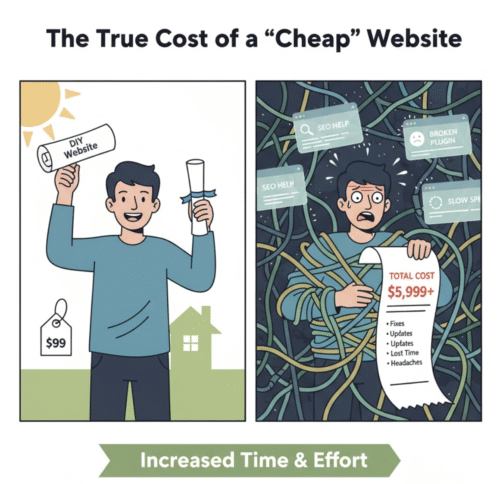
It’s tempting to think you’re saving money by skipping a website — but that “free” choice can cost you more in the long run:
- Lost organic search traffic — no SEO visibility means fewer new leads.
- Limited conversion tools — you can’t build funnels or A/B test.
- Time drain — you spend more time creating content that disappears fast.
- Missed email collection opportunities — no lead magnets or automated nurturing.
When Social Media Alone Might Be Enough
There are exceptions. If you’re a hyperlocal service (like a food stall or community event) or testing an idea before launching fully, a social media page can be a good start.
But once you’re serious about scaling, you’ll need a website that works hand-in-hand with social to:
- Build credibility and consistency.
- Capture leads automatically.
- Convert visitors with intentional design.
How to Transition from “Just a Page” to a Real Website
You don’t need a massive budget to create a conversion-ready website. Start with:
- A clear purpose: Define what you want visitors to do — buy, book, or contact you.
- Simple structure: Home, About, Services, Contact, and a blog.
- SEO-friendly content: Use keywords naturally and solve customer pain points.
- Conversion optimization: Add clear CTAs and track them.
Need a shortcut? Use Fix My Website Conversions — Act Strategic’s AI-powered audit tool that pinpoints what’s holding your site back and shows how to fix it.
FAQs
1. Can I run a business without a website?
Yes, but only short-term. Social platforms are useful for testing and community engagement — not long-term scalability.
2. Isn’t building a website expensive?
Not necessarily. With today’s tools and templates, a professional-looking site can be affordable — and pays for itself in lead generation.
3. Do websites still matter if I get most leads from social media?
Absolutely. Social media drives traffic; your website converts it.
4. How do I connect my social media with my website?
Link back to your site in bios, posts, and stories. Make your website the destination for deeper content and offers.
5. How do I know if my website is effective?
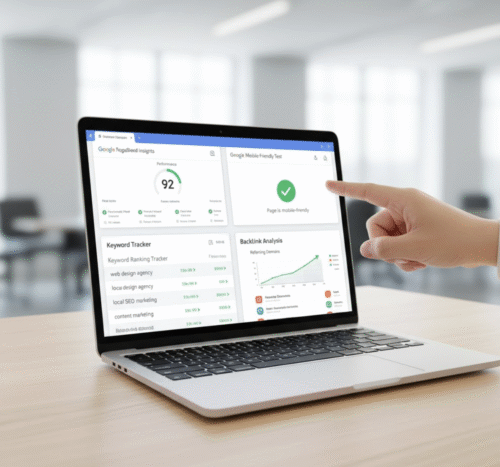
Run a free audit with Fix My Website Conversions to evaluate performance and conversion readiness.
Final Thoughts
Social media is your storefront window. Your website is the store itself.
If you want to scale beyond visibility — toward trust, conversions, and long-term growth — build your own digital home.
👉 Explore Fix My Website Conversions to see how your website stacks up and where it can perform better.