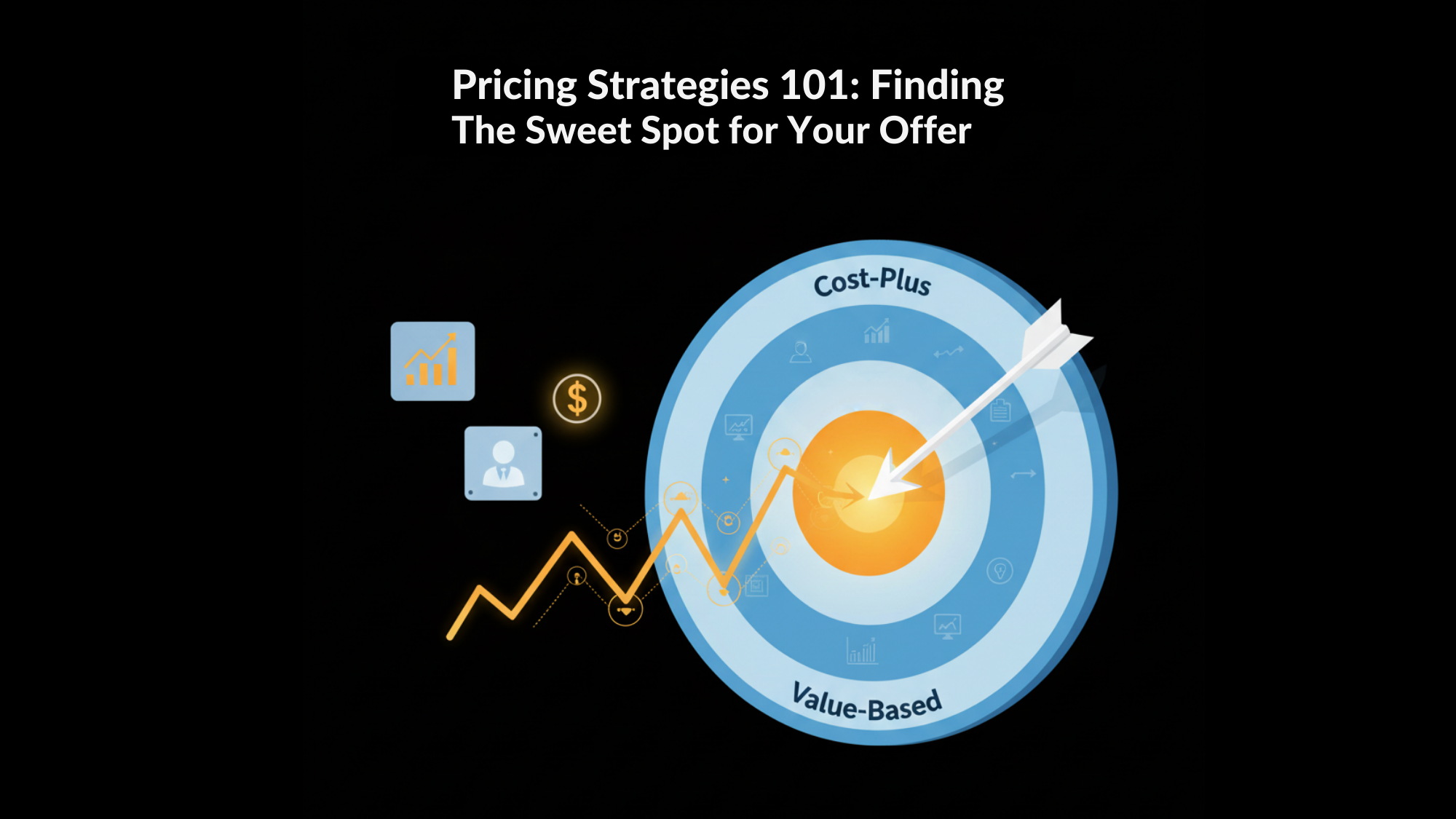
Pricing is one of the most powerful levers in your business. Set it too high, and you risk scaring away potential buyers. Set it too low, and you erode your margins and cheapen your perceived value. The art lies in striking the perfect balance—a pricing strategy that not only covers costs but also resonates with your customers and positions your brand strategically in the market.
At ActStrategic.ai, we help businesses find that sweet spot. Through ActStrategic offer optimization, we blend market research, customer psychology, and data-backed testing to refine your pricing so that your offer attracts, converts, and scales. Let’s break down the foundations of pricing strategies and how to use them effectively.
Why Pricing Matters More Than You Think
Your pricing doesn’t just dictate revenue—it communicates value. A strong pricing strategy:
- Shapes how customers perceive your brand.
- Impacts your ability to scale profitably.
- Creates room for upsell and cross-sell opportunities.
- Aligns with your funnel strategy to maximize conversions.
If your offer isn’t converting, it may not be your product—it may be your price. That’s why our Fix My Offer tool zeroes in on pricing and positioning to make your product irresistible.
Core Pricing Strategies for Offers
Here are the three foundational pricing strategies every business owner should understand:
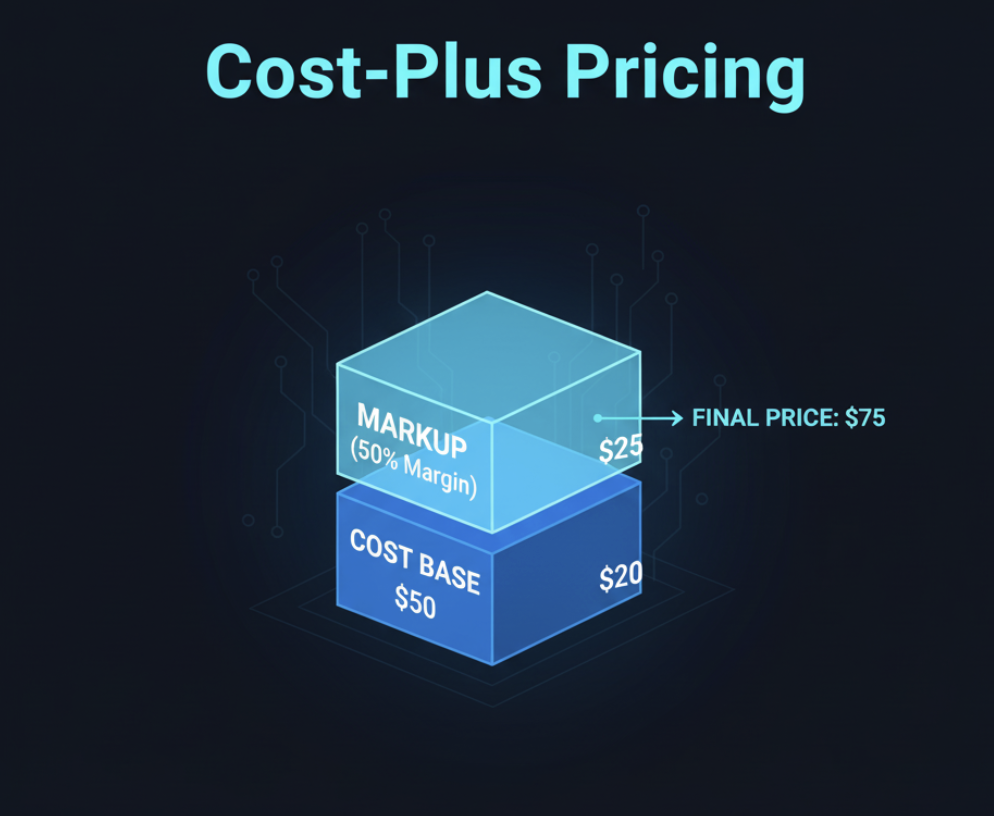
1. Cost-Plus Pricing
This is the simplest method: calculate your costs and add a markup. For example, if it costs you $50 to deliver your service, you might price it at $75 for a 50% margin.
✅ Advantages: Easy to calculate, ensures you cover costs.
❌ Drawbacks: Ignores market dynamics and perceived value.
2. Value-Based Pricing
Instead of focusing on costs, value-based pricing sets the price according to what the customer believes it’s worth. If your product helps a client save $10,000 a year, charging $2,000 feels like a bargain.
✅ Advantages: Aligns with customer perception, maximizes profit.
❌ Drawbacks: Requires deep customer research and testing.
This strategy is particularly effective when paired with insights from tools like our Fix My Website Conversions report, which helps you understand how customers experience your offer.
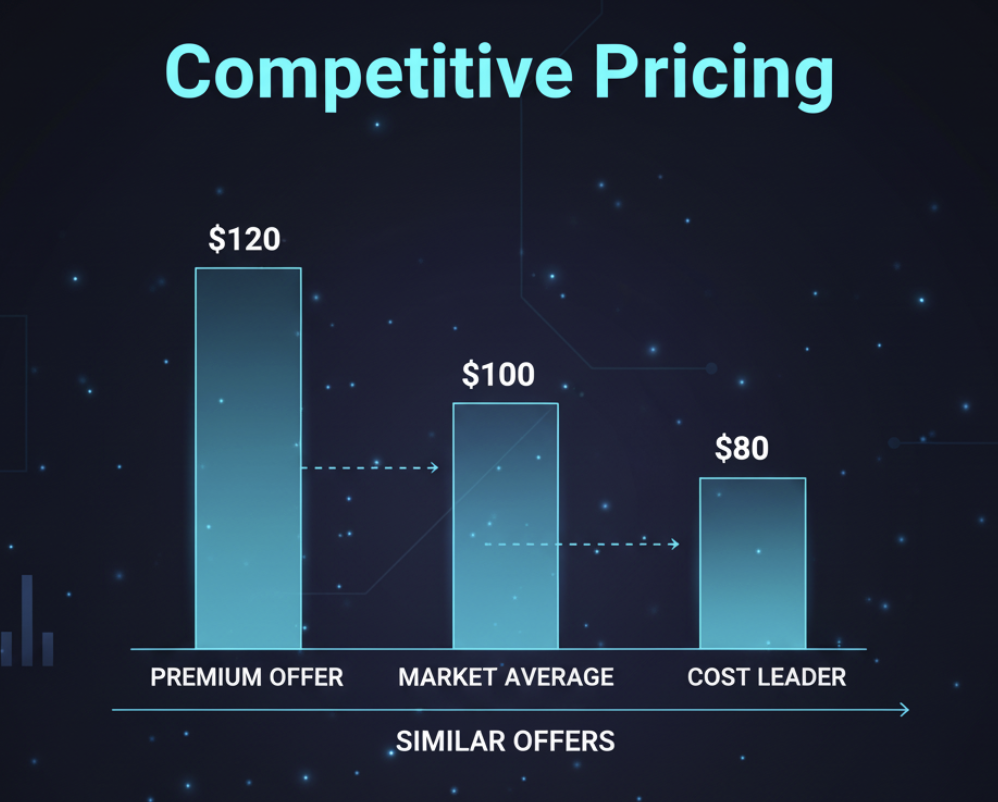
3. Competitive Pricing
Here, you set prices based on what competitors charge. If most competitors charge $100, you decide whether to go slightly above (premium positioning) or slightly below (cost leadership).
✅ Advantages: Quick to implement, easy benchmark.
❌ Drawbacks: Can lead to price wars and eroded margins.
Finding the Sweet Spot
The real magic happens when you blend these approaches:
- Start with cost-plus to protect your margins.
- Layer in value-based insights to capture true customer willingness to pay.
- Use competitive benchmarks to stay market-relevant.
ActStrategic’s Fix My Funnel tool helps diagnose where pricing might be blocking conversions. Combined with our homepage resources at ActStrategic.ai, you’ll have a complete picture of how to tune your pricing for growth.
Case in Point: Why Most Offers Miss the Mark
According to Harvard Business Review, poor pricing leaves billions of dollars on the table annually for businesses of all sizes. Many founders either underprice out of fear or overprice without validation. The solution lies in testing, refining, and adapting.
By leveraging ActStrategic offer optimization, you avoid guesswork and instead use data-driven methods—like price sensitivity testing and funnel diagnostics—to land on a pricing strategy that works in the real world.
(External link reference: Harvard Business Review on Pricing Strategy)
FAQs About Pricing Strategy for Offers
1. What is the most effective pricing strategy?
It depends on your market and product. For SaaS and service-based businesses, value-based pricing often drives the highest margins.
2. How do I know if my pricing is wrong?
Look at your funnel. If traffic is strong but conversions are weak, pricing may be the culprit. Use tools like Fix My Offer to assess.
3. Should I discount my offer?
Discounts can work short-term, but they risk lowering perceived value. Bundling or limited-time bonuses are often smarter tactics.
4. How often should I revisit my pricing?
At least annually, or whenever you adjust positioning, features, or market segments.
5. Can AI help with pricing?
Yes. AI tools can analyze customer behavior, competitor pricing, and market data to recommend optimal ranges. (External link reference: TechCrunch on AI-driven pricing)
Final Thoughts
Pricing is not a set-it-and-forget-it decision. It’s a living, breathing part of your strategy that needs refining as your market evolves. Whether you’re undercharging, overcharging, or simply unsure, finding your sweet spot can transform your revenue and growth trajectory.
Want to uncover the fastest way to optimize your pricing? Start with our Fix My Offer tool—your first step toward smarter, more profitable growth.