Introduction: Why Logic Rarely Sells, but Emotion Always Converts
Have you ever crafted what felt like the perfect offer—fair price, solid features, and a logical reason to buy—only to watch leads slip away? The truth is, people rarely buy based on logic alone. Purchases are driven by emotion, then justified by logic afterwards. If you don’t understand the psychology of buying offers, you risk missing the triggers that nudge someone from “thinking about it” to “I need this now.”
That’s where emotional triggers like trust, urgency, and aspiration come in. When you learn how to design offers that resonate with human psychology, you transform your funnel into a conversion machine. Platforms like ActStrategic.ai specialize in helping business owners uncover where their messaging and funnels miss these triggers—and how to fix them fast.
The Core Emotional Drivers Behind Every Purchase
1. Trust: Reducing the Risk Factor
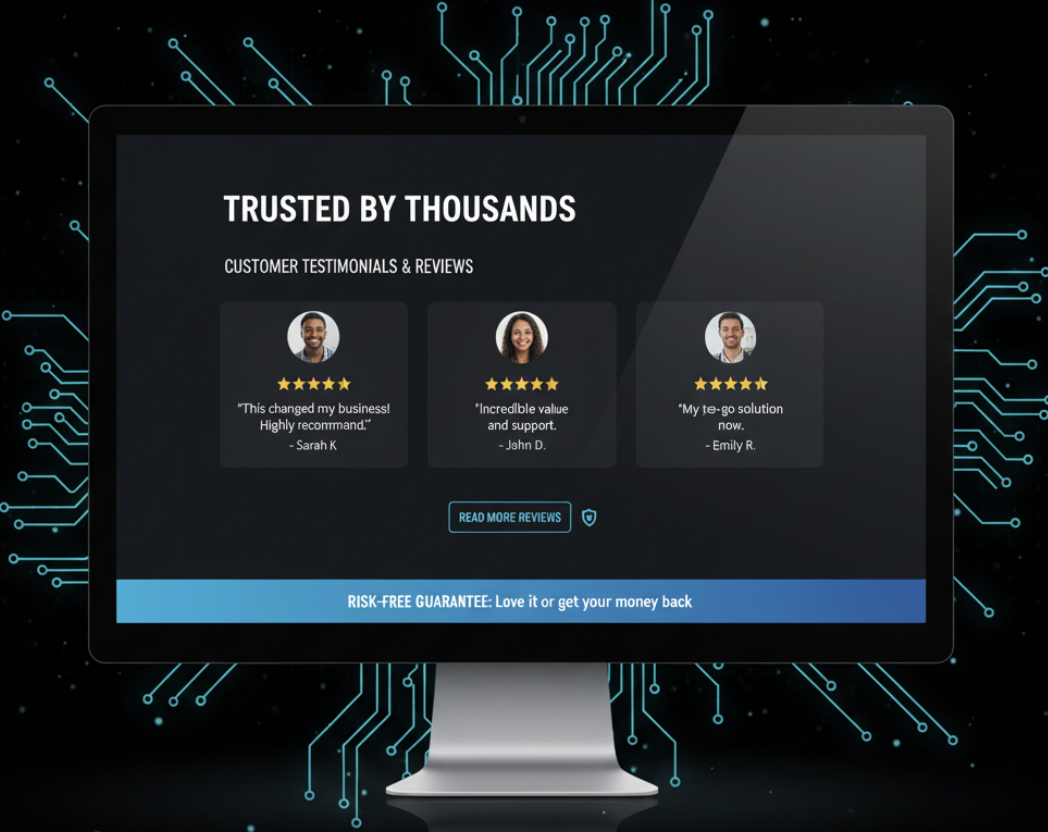
No one buys from someone they don’t trust. Trust can be built through:
- Social proof: testimonials, reviews, and case studies.
- Clear guarantees and risk-reversal (e.g., money-back policies).
- Transparent pricing and no hidden terms.
A trustworthy offer feels safe to accept. If your site lacks credibility signals, tools like the Fix My Website Conversions report can highlight weak spots.
2. Fear of Missing Out (FOMO): Urgency and Scarcity
Scarcity and urgency tap into one of the strongest psychological motivators: the fear of loss. Limited-time offers, countdown timers, or “only 3 spots left” messaging can push a hesitant buyer to act.
But urgency only works when it feels authentic. Fake scarcity erodes trust.
3. Desire and Aspiration: Painting the Better Future
While fear motivates action, desire inspires it. Buyers ask: “How will this make my life better?”
- Will it save them time?
- Will it make them money?
- Will it elevate their status?
The most successful offers combine practical benefits with aspirational storytelling. A great example is how the Business Buying Playbook frames acquisitions—not just as deals, but as transformations.

The Framework: Crafting Offers That Resonate
Here’s a simple framework for aligning offers with emotional triggers:
| Emotional Trigger | How to Use It | Example |
|---|---|---|
| Trust | Use reviews, guarantees, certifications | “30-day money-back guarantee” |
| FOMO | Add scarcity and urgency ethically | “Only 5 licenses left at this price” |
| Desire | Show life transformation | “Double your leads in 30 days” |
If you’re unsure where your offers fall short, the Fix My Offer tool quickly pinpoints what’s working, what’s missing, and how to optimize for conversions.
Beyond Emotion: Pairing Triggers With Strategy
Emotions open the door, but structure closes the deal. A strong funnel requires:
- Clear, compelling copywriting.
- Aligned visuals and brand consistency.
- A seamless buyer journey from awareness to action.
Platforms like ActStrategic.ai’s Fix My Funnel tool audit the entire journey—ensuring your emotional triggers translate into measurable revenue growth.
For a deeper dive into decision-making, Harvard Business Review has written extensively about how subconscious biases influence purchase behavior, reinforcing why blending psychology with marketing strategy is critical.
FAQs About the Psychology of Buying Offers
1. What is the psychology of buying offers?
It’s the study of emotional and cognitive factors—like trust, scarcity, and aspiration—that influence why people say yes to an offer.
2. How do I know if my offer is weak?
If prospects engage with your content but don’t convert, your offer likely lacks emotional triggers. Tools like Fix My Offer can help diagnose weaknesses.
3. Is using scarcity ethical?
Yes—if it’s real. Fake countdowns or false scarcity damage trust and brand reputation.
4. How can I build trust quickly in my funnel?
Showcase reviews, case studies, and add clear guarantees. Transparency builds confidence.
5. Can AI really help me improve my offers?
Absolutely. AI tools can surface blind spots and recommend psychological triggers you might overlook. For example, prompt libraries like this one can spark better messaging ideas instantly.
Conclusion: Psychology + Strategy = Conversions
People buy with their hearts, then rationalize with their heads. If your offers fail to tap into trust, urgency, or aspiration, you’re leaving money on the table. The good news? You don’t have to guess where the gaps are.
Start by running a Fix My Offer or Fix My Funnel report today. In minutes, you’ll know exactly which emotional levers you’re missing and how to strengthen them—so your next campaign doesn’t just attract attention, but drives action.