Introduction: Why Funnel Analytics Matters
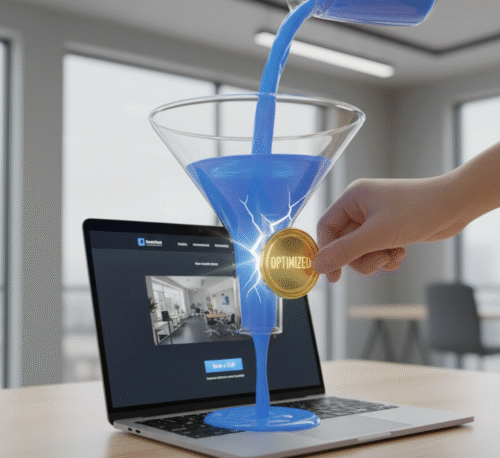
Ever feel like your funnel is leaking money, but you don’t know where? That’s where funnel analytics comes in. By tracking how leads move through each stage of your marketing and sales journey, you can pinpoint exactly where drop-offs happen—and make smart fixes that increase conversions without spending more on ads.
The truth is, most businesses don’t have a traffic problem. They have a conversion clarity problem. Funnel analytics gives you that clarity.
What is Funnel Analytics?
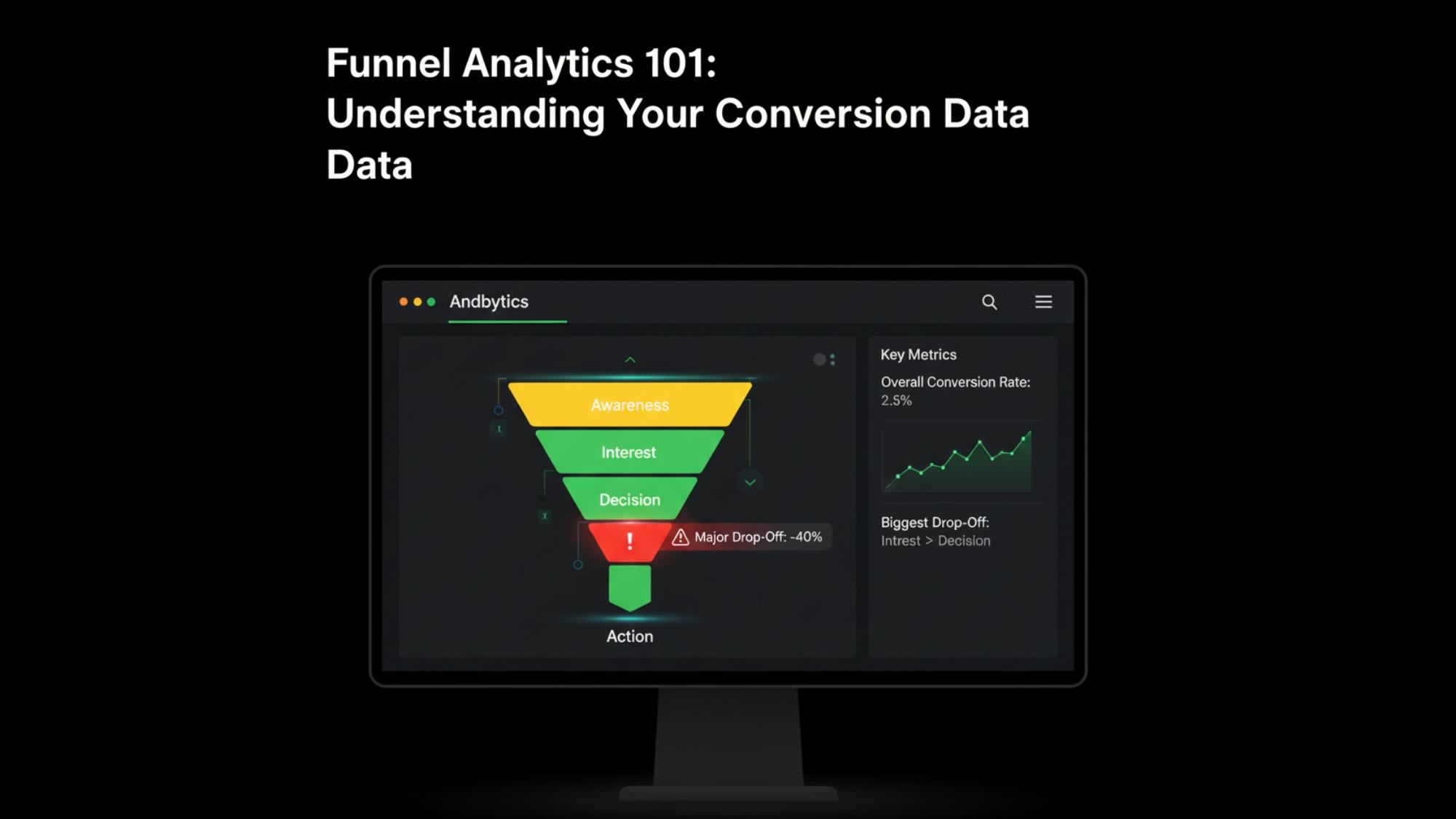
Funnel analytics is the process of tracking, measuring, and analyzing how prospects move through each stage of your funnel—from awareness to action. It’s less about vanity metrics and more about spotting where your funnel is healthy and where it’s broken.
Why it matters:
- Helps identify conversion bottlenecks
- Provides data-driven insights instead of guesswork
- Enables prioritization of fixes that deliver the biggest ROI
Key Metrics to Track in Funnel Analytics
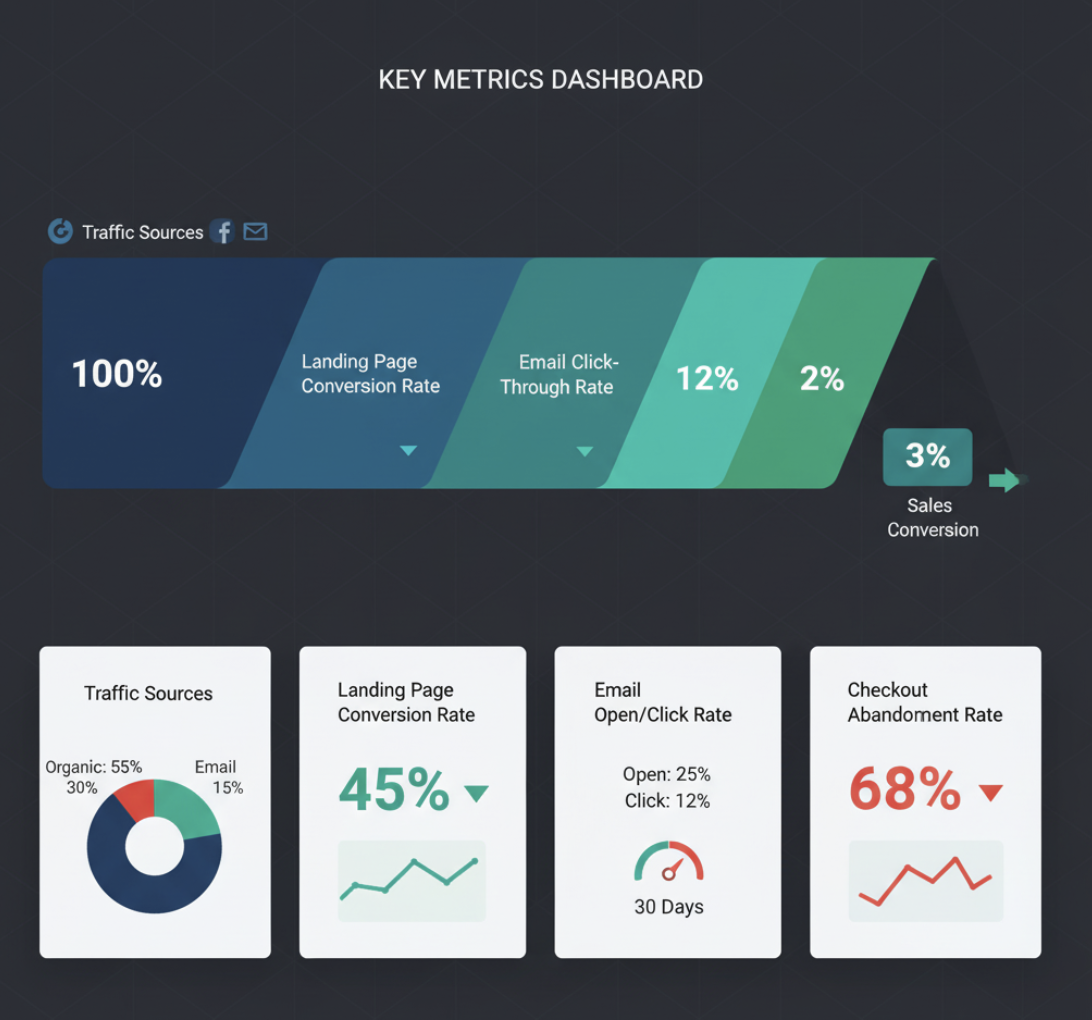
Here’s a checklist of the most important data points to review:
- Traffic sources: Which channels bring in the most (and best) leads?
- Landing page conversion rate: % of visitors who take the next step.
- Email open and click-through rates: Indicators of engagement.
- Sales pipeline velocity: How fast leads move through stages.
- Checkout abandonment rate: A silent killer of revenue.
Tools for Funnel Analytics
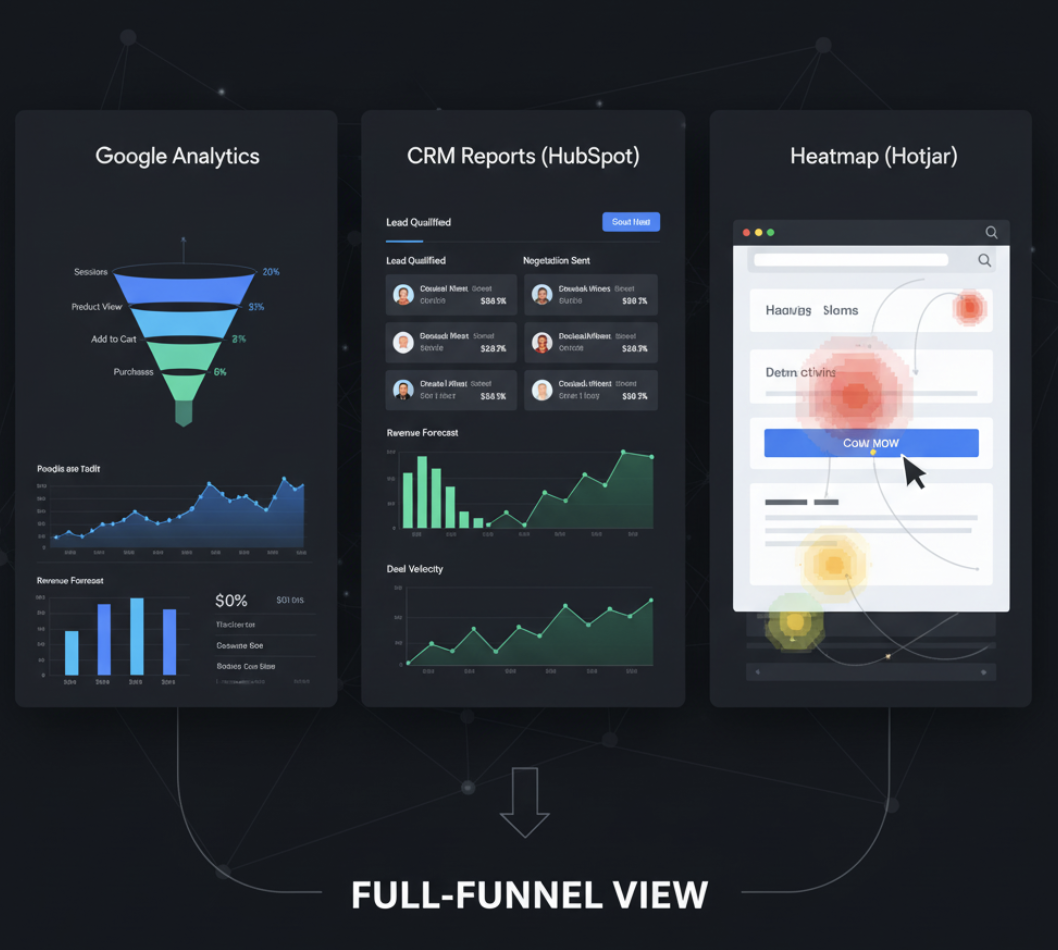
The right tools make all the difference. Here are a few go-tos:
- Google Analytics: Great for tracking top-of-funnel behaviors.
- CRM Reports (like HubSpot, Salesforce): Ideal for mid- to bottom-funnel insights.
- Heatmaps & Session Recordings (Hotjar, Crazy Egg): Visualize how users interact with your site.
Pro tip: Combine these tools for a full-funnel view. Don’t just optimize one stage in isolation.
Diagnosing Drop-Offs with Funnel Analytics
Think of funnel analytics like a doctor’s check-up. You’re diagnosing where your funnel is unhealthy:
- High awareness but low interest? Your offer isn’t resonating.
- Strong engagement but weak conversions? Your CTA or checkout flow may need work.
- Long sales cycle? Your pipeline might lack urgency drivers.
🔗 Fix My Offer tool can help if your message and offer don’t connect with your market.
Framework: The C.A.R.E. Method for Funnel Analytics
When reviewing funnel data, use this framework:
- Collect – Gather accurate funnel data across all stages.
- Analyze – Look for stages with the biggest drop-offs.
- Refine – Adjust messaging, design, or offer where leaks exist.
- Evaluate – Re-run analytics to measure improvement.
This method keeps funnel optimization systematic, not random.
🔗 Explore our Fix My Funnel report to diagnose where your funnel needs the most urgent fixes.
Common Funnel Analytics Mistakes
Avoid these pitfalls when tracking funnel performance:
- Focusing only on traffic metrics while ignoring conversion stages.
- Not segmenting data (e.g., paid vs. organic traffic behaves differently).
- Over-optimizing one stage without considering downstream effects.
Remember: a funnel is only as strong as its weakest stage.
FAQs About Funnel Analytics
1. What is funnel analytics?
It’s the practice of tracking and analyzing customer journeys across funnel stages to identify conversion leaks.
2. How do I know where my funnel is broken?
Look for high drop-off percentages between stages. Analytics tools and heatmaps reveal where users disengage.
3. Which tools should I use?
Start with Google Analytics for traffic insights, and add a CRM for deeper pipeline tracking.
4. How often should I review funnel analytics?
Monthly at a minimum, weekly if you’re running active campaigns.
5. What’s the difference between funnel analytics and sales reporting?
Funnel analytics focuses on the journey (behavior + drop-offs). Sales reporting focuses on outcomes (revenue, closed deals).
Wrapping Up: Clarity Unlocks Growth
Funnel analytics isn’t about chasing numbers—it’s about clarity. When you know exactly where conversions leak, you can fix them strategically and scale faster.
📌 Ready to uncover your biggest conversion leaks? Get your personalized Fix My Funnel report.